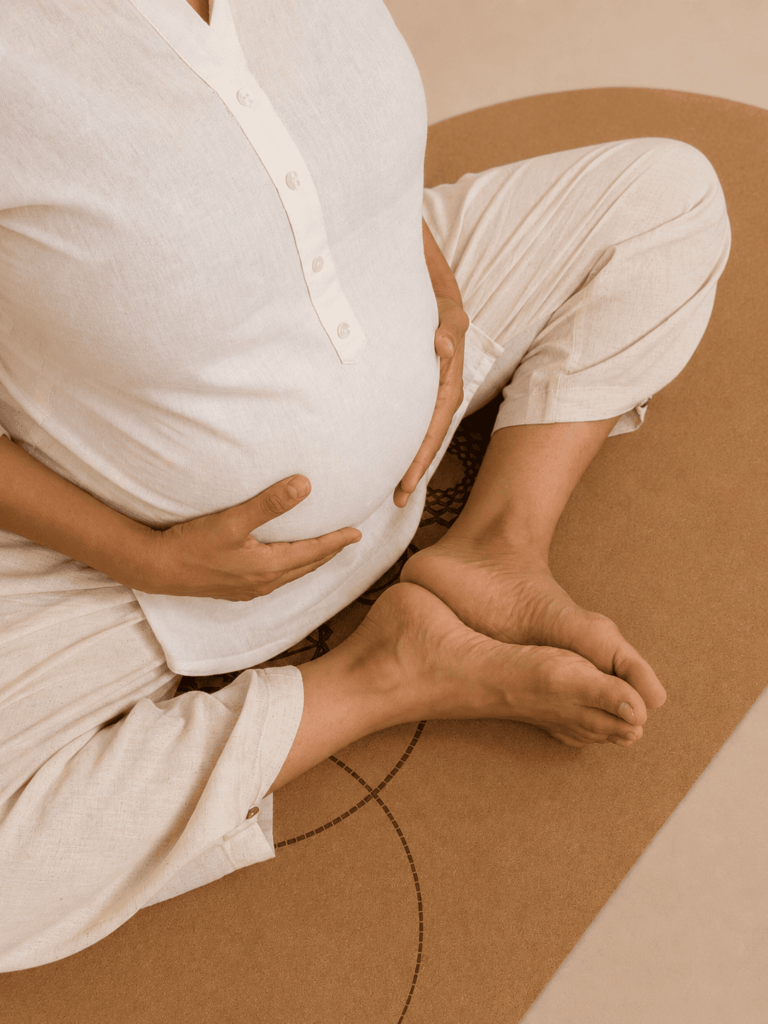
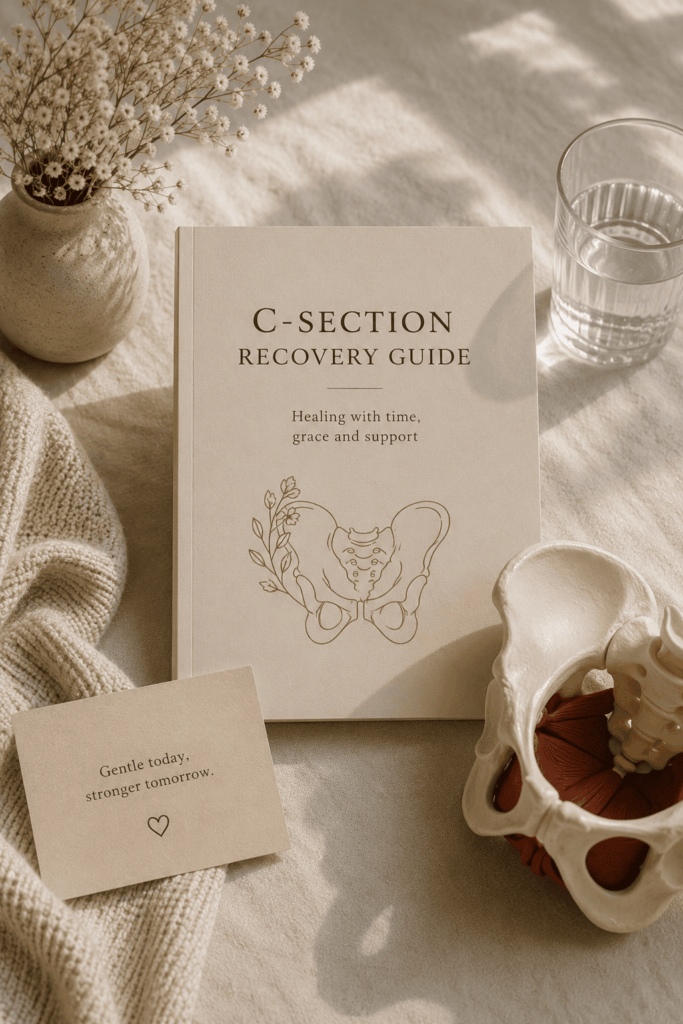
A cesarean birth is one of the most common surgical procedures performed worldwide. Yet many mothers are surprised by how much healing is involved after a C-section.
While the scar on your skin may be the most visible reminder of surgery, healing extends far beyond what you can see. Understanding what your body has been through can help you approach recovery with greater patience, confidence, and compassion.
What Happens During a Cesarean Birth?
To safely reach and deliver your baby, your healthcare provider must move through multiple layers of tissue.
These layers include:
- Skin
- Subcutaneous tissue (fat layer)
- Fascia (connective tissue)
- Abdominal muscles
- Peritoneum (the lining of the abdominal cavity)
- Uterus
- Amniotic sac
Each of these layers requires time to heal after surgery.
This is why a C-section should never be viewed as the “easy way out.” Your body undergoes significant healing and recovery in the weeks and months that follow birth.
Why Recovery Takes Time
Many mothers feel pressure to return to normal quickly after giving birth. However, a cesarean birth is both a major abdominal surgery and a birth experience.
Healing involves:
- Tissue repair
- Scar formation
- Nervous system recovery
- Core rehabilitation
- Pelvic floor recovery
- Gradual return to movement
Rest during the early weeks is not a luxury—it’s an important part of helping your body recover well.
Giving yourself permission to heal can have a lasting impact on your long-term strength and function.
The First Few Weeks After a C-Section
In the early stages of recovery, the goal is not to “fix” your scar or rush into exercise.
Instead, focus on becoming familiar with your incision and reconnecting with your body.
Many women initially feel:
- Numbness around the scar
- Tenderness or sensitivity
- Fear of touching the incision
- A sense of disconnect from their abdominal area
These feelings are common and often improve with time.
Reconnecting With Your Incision
One of the first steps in recovery is simply becoming comfortable with your scar.
When cleared by your healthcare provider, you can begin by:
Looking at Your Incision
Many women avoid looking at their scar because it feels overwhelming or unfamiliar.
Taking a moment to observe your incision can help rebuild trust and awareness in your body.
Gentle Touch and Breathing
Try placing a soft cloth over the incision area and resting your hands on top.
Take slow, relaxed breaths and allow yourself to connect with the area without judgment or fear.
This simple practice can help reduce sensitivity and improve body awareness during the healing process.
Understanding Scar Sensitivity
As healing occurs, the nerves around the incision begin to recover.
This process can sometimes lead to:
- Increased sensitivity
- Tingling sensations
- Numb patches
- Discomfort with touch or clothing
These sensations are often a normal part of healing.
Over time, gentle scar desensitization techniques may help improve comfort and mobility.
When Can You Begin Scar Desensitization?
Scar desensitization should only begin once the incision has fully healed and you have been cleared by your healthcare provider.
This process may include gradually introducing different textures and types of touch around the scar to help the nervous system become more comfortable with sensation in the area.
The goal is not to force the scar to change but to help the tissue and nervous system adapt as healing progresses.
Recovery Is More Than Scar Healing
Although the scar receives a lot of attention, a C-section affects much more than the skin.
Recovery also involves:
- Rebuilding deep core function
- Restoring breathing mechanics
- Improving posture and movement patterns
- Supporting pelvic floor recovery
- Gradually returning to daily activities and exercise
A comprehensive recovery approach helps create a stronger foundation for long-term health and movement.
The Bottom Line
A cesarean birth involves healing through multiple layers of tissue, not just the skin. Recovery takes time, patience, and support.
In the early weeks, prioritize rest, become familiar with your incision, and focus on gentle connection rather than rushing into rehabilitation.
Healing isn’t about getting back to where you were before pregnancy as quickly as possible. It’s about giving your body the time and care it needs to recover fully and build strength for the journey ahead.